Prostate Health After 50: Warning Signs, Root Causes, and What Actually Helps
A straightforward, research-backed guide to understanding what's happening with your prostate — and what you can do about it
Foundation
What Is the Prostate — and What Can Go Wrong
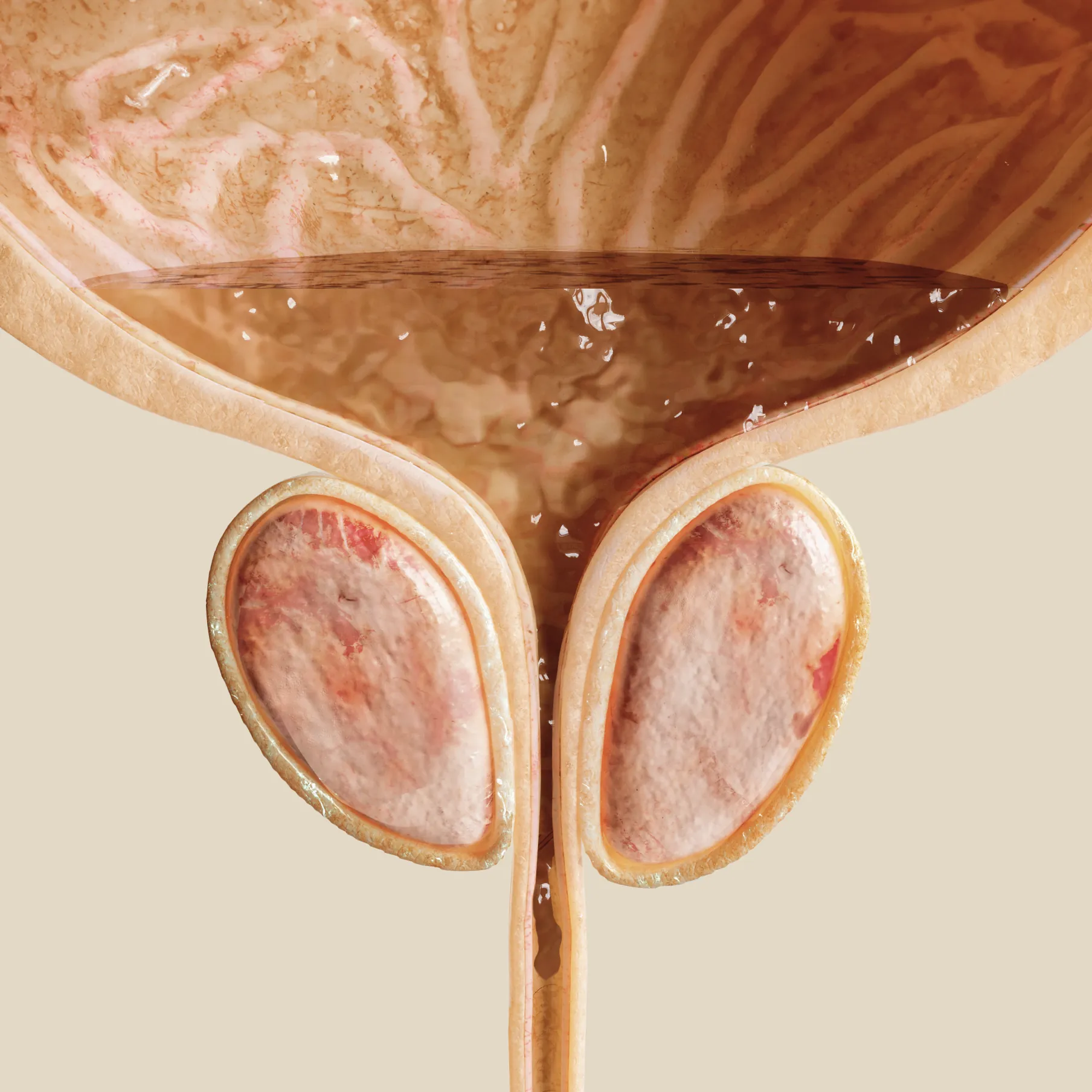
The prostate is a small, walnut-sized gland positioned just below the bladder and in front of the rectum in the male anatomy. Its primary job is to produce a fluid that nourishes and protects sperm, forming part of semen. Because it wraps directly around the urethra — the tube that carries urine from the bladder — any change in its size has immediate, tangible effects on urinary function.
Throughout a man's life, the prostate goes through two main growth phases. The first happens during puberty. The second begins around age 25 and continues slowly for the rest of a man's life. For many men, this second phase of growth eventually causes the prostate to press against the urethra, restricting urine flow and triggering what doctors call Lower Urinary Tract Symptoms, or LUTS.
There are three main conditions that affect the prostate in middle-aged and older men:
- Benign Prostatic Hyperplasia (BPH): Non-cancerous enlargement of the prostate, the most common prostate condition globally. Not life-threatening, but significantly impacts quality of life.
- Prostatitis: Inflammation of the prostate, which can be bacterial or non-bacterial. Can occur at any age and causes significant pelvic discomfort.
- Prostate Cancer: The most serious concern. The American Cancer Society estimates prostate cancer is the most commonly diagnosed cancer in American men after skin cancer. Early detection dramatically improves outcomes.
This article focuses primarily on BPH and the general support of prostate health through lifestyle and evidence-backed supplementation — not on diagnosing or treating any condition. Always consult a urologist for proper evaluation.
Warning Signs
The Real Warning Signs Men Overlook
One of the most significant challenges with prostate issues is that the symptoms develop gradually. Men often adapt their behavior unconsciously — waking up multiple times per night, avoiding long car trips, or sitting near restroom exits — without connecting these patterns to an underlying issue. By the time a man discusses it with a doctor, symptoms have often been present for years.
Clinicians use the International Prostate Symptom Score (IPSS) to assess severity. The questionnaire evaluates seven symptom categories and assigns a score from 0–35: mild (0–7), moderate (8–19), or severe (20–35). If you haven't taken this assessment, consider asking your doctor about it at your next visit.
Nocturia
Waking up 2 or more times per night to urinate. Often the most disruptive symptom — it fragments sleep cycles and accumulates into chronic fatigue.
Weak or Interrupted Stream
Urination that starts and stops, requires straining, or feels significantly weaker than it used to. Often the first noticeable physical change.
Urgency and Frequency
A sudden, strong urge to urinate that's difficult to delay, or needing to go far more often than before — even when the bladder isn't full.
Feeling of Incomplete Emptying
The persistent sensation that the bladder isn't fully empty after urination. This can lead to returning to the bathroom minutes after voiding.
Hesitancy / Delayed Start
Difficulty initiating urination despite feeling the urge. Waiting 30–60+ seconds before flow begins.
Post-void Dribbling
Urine continuing to drip after voiding is complete — often socially embarrassing and frequently underreported to doctors.
Understanding the Problem
Root Causes: Why the Prostate Enlarges
BPH is primarily a condition of aging and hormonal change, though several other factors contribute to its development and progression. Understanding the root causes matters because it informs which interventions — medical, dietary, or lifestyle-based — are most likely to help.
1. Hormonal Shifts: DHT and Estrogen
The most well-established driver of prostate enlargement is dihydrotestosterone (DHT), a potent androgen derived from testosterone through the action of an enzyme called 5-alpha-reductase. As men age, testosterone levels gradually decline, but DHT levels in prostatic tissue remain elevated — or even increase. DHT binds to androgen receptors in the prostate and stimulates cell growth.
At the same time, the relative ratio of estrogen to testosterone increases with age. Research suggests that elevated estrogen may sensitize prostatic cells to the growth-promoting effects of DHT, compounding the enlargement. This hormonal interplay is why prescription drugs for BPH (like finasteride and dutasteride) specifically target 5-alpha-reductase — they reduce DHT production.
2. Inflammation
Chronic low-grade inflammation is increasingly recognized as a key driver of BPH progression. Histological studies have found inflammatory infiltrates in over 40% of BPH tissue samples. Metabolic conditions like obesity, type 2 diabetes, and hypertension — all associated with systemic inflammation — are strongly correlated with more severe BPH symptoms and faster progression.
3. Metabolic Syndrome
Men with metabolic syndrome — a cluster including central obesity, insulin resistance, high triglycerides, low HDL, and hypertension — consistently show higher rates of BPH and more severe LUTS. Elevated insulin levels are thought to stimulate both prostatic smooth muscle growth and sympathetic nervous system activity, which tightens the bladder neck and worsens obstruction.
"The prevalence of BPH in men over 50 ranges from 50 to 75%, and this figure increases with age, exceeding 80% in men over 70."
— Translational Andrology and Urology, Global Epidemiological Trends Study 2025Risk Profile
Who Is Most at Risk — and Who Is Searching for Answers

Understanding the risk profile matters both medically and from a health literacy standpoint. Research into Google search trends shows that prostate-related queries peak among men aged 45–75, with search volume correlating strongly with symptom onset. Topics like "frequent urination at night," "weak urine stream," and "prostate supplement" dominate men's health search behavior.
- Age over 50. The single strongest predictor. BPH diagnosis peaks between ages 58 and 71. Screening is generally recommended from age 50, or 45 for men at higher risk.
- Family history. Men with a first-degree relative who had BPH or prostate cancer face a 2–4x higher risk of developing the condition themselves.
- Obesity and sedentary lifestyle. Adipose tissue converts testosterone to estrogen, worsening the hormonal imbalance that promotes prostate growth. Men with BMI over 35 have significantly higher BPH prevalence.
- Type 2 Diabetes. Insulin resistance and hyperinsulinemia are independently associated with increased prostate volume and more severe LUTS.
- Cardiovascular disease / hypertension. Shared vascular and metabolic risk factors create a strong correlation between heart disease and BPH severity.
- Geographic and ethnic factors. Eastern European men show the highest lifetime BPH risk globally (37.57%). African American men face higher rates of aggressive prostate cancer at earlier ages.
Daily Impact
Impact on Daily Life — More Than Just the Bathroom
The effects of prostate-related urinary symptoms extend well beyond inconvenience. Clinical studies consistently show that moderate-to-severe LUTS significantly impairs physical functioning, mental health, social engagement, and sexual health.
Sleep Fragmentation Is the Core Problem
Nocturia — waking at night to urinate — is consistently rated as the most bothersome BPH symptom by patients. A key metric used in clinical urology is "hours of undisturbed sleep" (HUS): the time between falling asleep and the first awakening to void. Research shows that as HUS decreases, quality-of-life scores deteriorate significantly across energy, mood, cognitive function, and physical performance.
A large European registry study following 2,175 men with BPH found that 69% had clinically relevant nocturia at baseline — defined as waking 2 or more times per night. After two years of pharmacological treatment, this dropped to 49%, but a substantial proportion remained affected even after treatment.
The Emotional and Social Toll
Men with moderate to severe BPH symptoms are significantly more likely to report depression, anxiety, and social withdrawal. Avoiding travel, social events, or physical activity due to bathroom proximity concerns creates progressive isolation. Research using the IPSS questionnaire found that 12.45% of men with moderate-to-severe BPH reported poor quality of life — a figure that likely underestimates true prevalence given how often men minimize health complaints.
Sexual Health Consequences
Prostate enlargement and LUTS are independently associated with erectile dysfunction and ejaculatory problems. The shared anatomical and neurological pathways between the lower urinary tract and sexual function mean that as one deteriorates, the other is frequently affected. This bidirectional relationship is an area of active research in andrology and urology.
Evidence-Based Ingredients
Natural Ingredients With Legitimate Clinical Evidence
The supplement market for prostate health is large, crowded, and unfortunately rife with exaggerated claims. The following are ingredients that have been studied in peer-reviewed clinical trials and are considered by urologists and evidence-based health researchers to have some meaningful degree of support. Note that none of these are approved to treat, cure, or diagnose BPH or prostate cancer — they are dietary supplements.
Saw Palmetto (Serenoa repens)
Most StudiedThe most researched herbal ingredient for prostate health. Standardized liposterolic extracts have been shown in multiple trials to inhibit 5-alpha-reductase activity — the same enzyme targeted by prescription finasteride. Clinical evidence is mixed at higher doses but more consistent with standardized extracts at 320mg/day.
Beta-Sitosterol
Strong EvidenceA plant sterol found in saw palmetto, pumpkin seeds, and many other plants. A Cochrane review and multiple double-blind studies found beta-sitosterol significantly improves IPSS scores and urine flow rates in men with BPH. Clinical doses range from 30–91mg/day. Considered one of the most evidence-supported botanical options.
Pygeum (Prunus africana)
Moderate EvidenceBark extract from the African cherry tree. A randomized study in 115 BPH patients showed significantly improved IPSS scores and quality of life after 6 months. Particularly noted for reducing nocturia. Often combined with saw palmetto in clinical formulations.
Pumpkin Seed Oil
SupportiveRich in zinc, beta-sitosterol, and delta-7 sterols. Some clinical evidence suggests benefit for overactive bladder symptoms associated with BPH. A 12-month study found modest but statistically significant improvements in IPSS scores versus placebo.
Stinging Nettle Root (Urtica dioica)
PreliminaryCommonly combined with saw palmetto. Preliminary evidence suggests anti-inflammatory effects and possible inhibition of prostate cell growth factors. A combination of nettle root and saw palmetto showed comparable results to the prescription drug tamsulosin in a randomized German trial.
Zinc
MicronutrientThe prostate naturally accumulates more zinc than any other organ in the body. Men with BPH and prostate cancer typically show lower prostatic zinc concentrations. Appropriate dosing (8–15mg/day from food and supplements combined) is key — high-dose supplementation long-term has been associated with potential adverse effects.
These ingredients are most effective when used as part of a formulated supplement with standardized extracts, appropriate dosages, and third-party quality testing (cGMP certification is a useful marker).
Lifestyle
Lifestyle Habits That Support Long-Term Prostate Health
Supplementation works best as a complement to — not a replacement for — sound lifestyle habits. The following are evidence-supported practices that urologists and researchers consistently identify as protective for prostate health and effective at managing LUTS symptoms.
Regular Physical Activity
Exercise is one of the most powerful tools available. A large prospective study found that men who walked briskly for 2–3 hours per week had a 25% lower risk of BPH requiring treatment. Physical activity reduces insulin levels, body fat, and systemic inflammation — all factors tied to prostate enlargement. Even modest activity improvements produce meaningful results.
Dietary Patterns
A Mediterranean-style diet — rich in vegetables, legumes, whole grains, healthy fats (particularly olive oil), and fish — is consistently associated with lower rates of BPH severity and prostate cancer risk. Lycopene, found in cooked tomatoes, is particularly associated with prostate health in epidemiological studies. Conversely, diets high in red meat, saturated fat, and refined carbohydrates are associated with worse outcomes.
Fluid Management
Counterintuitively, reducing fluid intake to manage urinary frequency often makes symptoms worse by concentrating urine and irritating the bladder. A better approach: drink consistently throughout the day, reduce fluid intake 2–3 hours before bed, limit alcohol (a diuretic and bladder irritant), and limit caffeine — particularly in the afternoon and evening.
Weight Management
Obesity is independently associated with prostate enlargement and more severe LUTS. Men who lose significant weight through diet and exercise consistently report improvements in urinary symptom scores. Even a 5–10% reduction in body weight can produce measurable changes in prostatic volume and symptom burden.
Regular Screening
PSA (Prostate-Specific Antigen) testing remains controversial in terms of population-wide screening, but for men with symptoms or family history, it provides a useful baseline and helps track change over time. Men over 50, or over 45 with risk factors, should discuss the appropriate screening approach with their physician.
See What Men Are Saying About Prostate Support
Individual results may vary. This video features personal experiences, not medical advice.
Medical Guidance
When to See a Doctor — Non-Negotiable Signs
While mild urinary symptoms can often be managed with lifestyle changes and supplementation, certain presentations require prompt medical evaluation. Do not delay or attempt to self-manage the following:
- Complete inability to urinate (acute urinary retention) — a urological emergency requiring catheterization.
- Blood in the urine (hematuria) or blood in semen (hematospermia) — must be evaluated to rule out infection, stones, or malignancy.
- Painful urination or pelvic pain — may indicate prostatitis, urinary tract infection, or other treatable conditions.
- Rapidly worsening symptoms — sudden deterioration in urinary function warrants evaluation even if previous symptoms were mild.
- Bone pain, particularly in the lower back or hips — in men with known or suspected prostate issues, this requires imaging.
Even if your symptoms are mild, establishing a baseline with a urologist and having a documented PSA level is a worthwhile investment. Prostate conditions respond far better to early intervention than to management of advanced disease.
Common Questions
Frequently Asked Questions
Is waking up once per night to urinate normal?
Waking once per night is generally considered within normal range and becomes more common with age. Clinically significant nocturia is typically defined as waking two or more times per night. If you're consistently waking twice or more and this is affecting your sleep quality, it's worth discussing with a doctor — even if it seems like "just getting older."
Can prostate supplements actually shrink an enlarged prostate?
Generally, no. Unlike prescription 5-alpha-reductase inhibitors (finasteride, dutasteride), which have been shown to reduce prostate volume by 20–30% over time, most natural supplements do not measurably shrink the gland. What well-studied ingredients like beta-sitosterol and saw palmetto can do is reduce symptom severity — improving urine flow rates, reducing urgency, and decreasing nocturia — without necessarily changing the size of the prostate.
Does having BPH increase my risk of prostate cancer?
BPH itself is not a precancerous condition and does not directly increase prostate cancer risk. However, both conditions affect the same gland and become more common with age, so they frequently co-exist. This is why prostate-related symptoms always merit medical evaluation — BPH is the most likely cause, but it's important to rule out malignancy, particularly if PSA levels are elevated or rising.
How long does it take to see results from prostate supplements?
Most clinical trials evaluating prostate supplements run for 3–12 months. Realistic expectations: modest improvements in symptom scores within 4–8 weeks, more significant changes after 3–6 months of consistent use. Supplements that claim dramatic results within days are overstating the evidence. Consistency matters more than any single ingredient.
Can diet alone manage prostate symptoms without medication?
For men with mild LUTS (IPSS score under 8), lifestyle modification — including dietary improvements, weight loss, exercise, and fluid management — can produce clinically meaningful symptom relief without medication. For moderate-to-severe symptoms, lifestyle changes are valuable as adjuncts but are generally insufficient as the sole intervention.
What is the best age to start caring actively about prostate health?
The earlier the better — lifestyle habits established in your 30s and 40s meaningfully affect prostate health outcomes in your 50s and 60s. From a screening perspective, most guidelines recommend initiating a conversation with your doctor about PSA testing at age 50 (or 45 if you have a family history or are at elevated risk).
Are there any supplement ingredients I should actively avoid?
High-dose zinc supplementation (above 50–100mg/day long-term) has been associated with copper deficiency and potentially adverse prostate effects. Selenium supplementation, once theorized to prevent prostate cancer, was not supported by the large SELECT trial. Any supplement making claims to "cure" or "reverse" prostate cancer is misrepresenting the evidence — treat such claims as a red flag.
Does alcohol worsen prostate symptoms?
Yes, in several ways. Alcohol is a diuretic, increasing urine production and worsening frequency and nocturia. It also irritates the bladder lining directly and may increase inflammation. Men with moderate-to-severe LUTS generally notice meaningful symptom improvement when they reduce or eliminate alcohol, particularly evening consumption.
Can prostate issues affect sexual function?
Yes, this is well-documented. Prostate enlargement and LUTS are independently associated with erectile dysfunction and ejaculatory dysfunction. The anatomical proximity of the prostate to nerves and blood vessels serving sexual function creates real interconnection. If sexual function is a concern alongside prostate symptoms, discuss this explicitly with your urologist — it factors into treatment selection.
Is prostate health different in younger men (under 50)?
Prostatitis (inflammation, not enlargement) is most common in men aged 25–45. Young men experiencing pelvic pain, painful urination, or urinary frequency should not dismiss this — prostatitis is both common and treatable, particularly when diagnosed accurately and early. BPH typically does not produce symptoms before age 45–50, but the underlying changes begin much earlier. Lifestyle investment in your 30s and 40s is genuinely protective.
Editor's Recommendation
Looking for a Prostate Support Supplement With Clean Ingredients?
After reviewing the clinical evidence above, the most important criteria in a prostate supplement are standardized extracts, evidence-based dosages, and third-party quality verification. If you're currently researching options, the link below is worth exploring.
See Our Recommended Option →